
Meet the Artist
The landscape of the American West has shaped who I am—both as an artist and as a person. Wide open spaces, shifting light, weather, and time itself are constant teachers, and no place has influenced me more deeply than the Grand Canyon and the Colorado River. These are landscapes that defy quick understanding. They ask for patience, humility, and return visits. Over time, they reveal themselves not as static scenery, but as living, expressive places—always changing, always teaching.
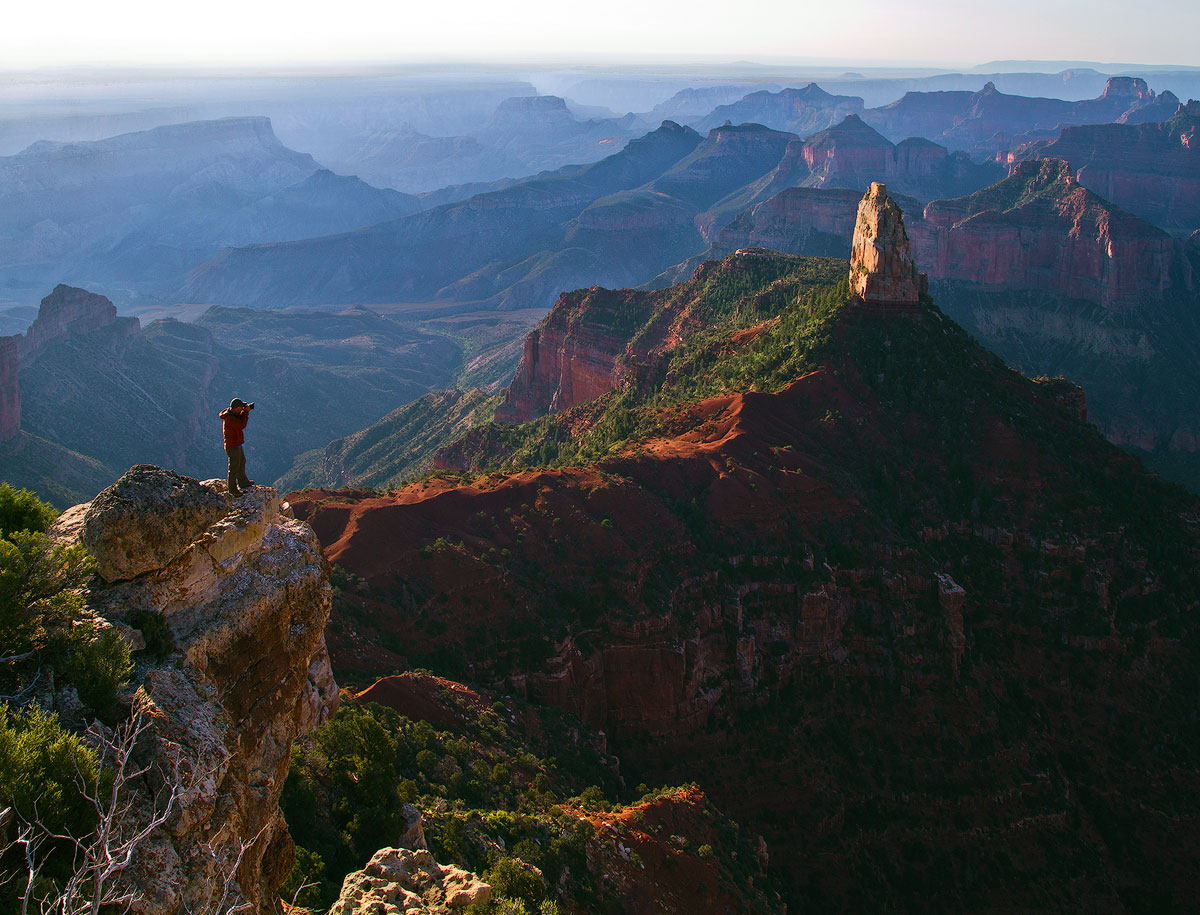
Standing on the edge at Point Imperial, looking down onto Mount Hayden and the Grand Canyon. Photo courtesy Holger Streu.
My path to landscape photography was anything but direct. I didn’t grow up imagining this as a career. I was raised in a college town in Iowa, surrounded by a wide range of artistic influences, before my family moved to a small town in the Texas Hill Country during my teenage years. In my late teens, I spent two summers living and working at a high-altitude environmental research station near Crested Butte, Colorado—experiences that sparked a lasting pull toward the American West. I eventually returned to Texas and settled in San Antonio, working in retail, selling office supplies.
After a car accident and a long recovery, I bought a used film camera at a pawn shop and, during a trip out West with my wife, Sally, discovered the expressive power of landscape photography. Photography was something I felt drawn to creatively, but pursuing it seriously meant stepping away from certainty and choosing a life shaped by curiosity and risk. That realization led us to quit our jobs and move west—first to Taos, New Mexico, where we lived for 10 years, and eventually to Flagstaff, Arizona. Each place we have lived became a classroom, teaching me about light, weather, scale, and the discipline required to truly see the land.
Along the way, photography became more than a creative pursuit—it became a way of engaging with the world. I found myself increasingly drawn to landscapes that demanded time and commitment, places where understanding came only through repeated visits and changing conditions. That pull ultimately led me back, again and again, to the Grand Canyon.
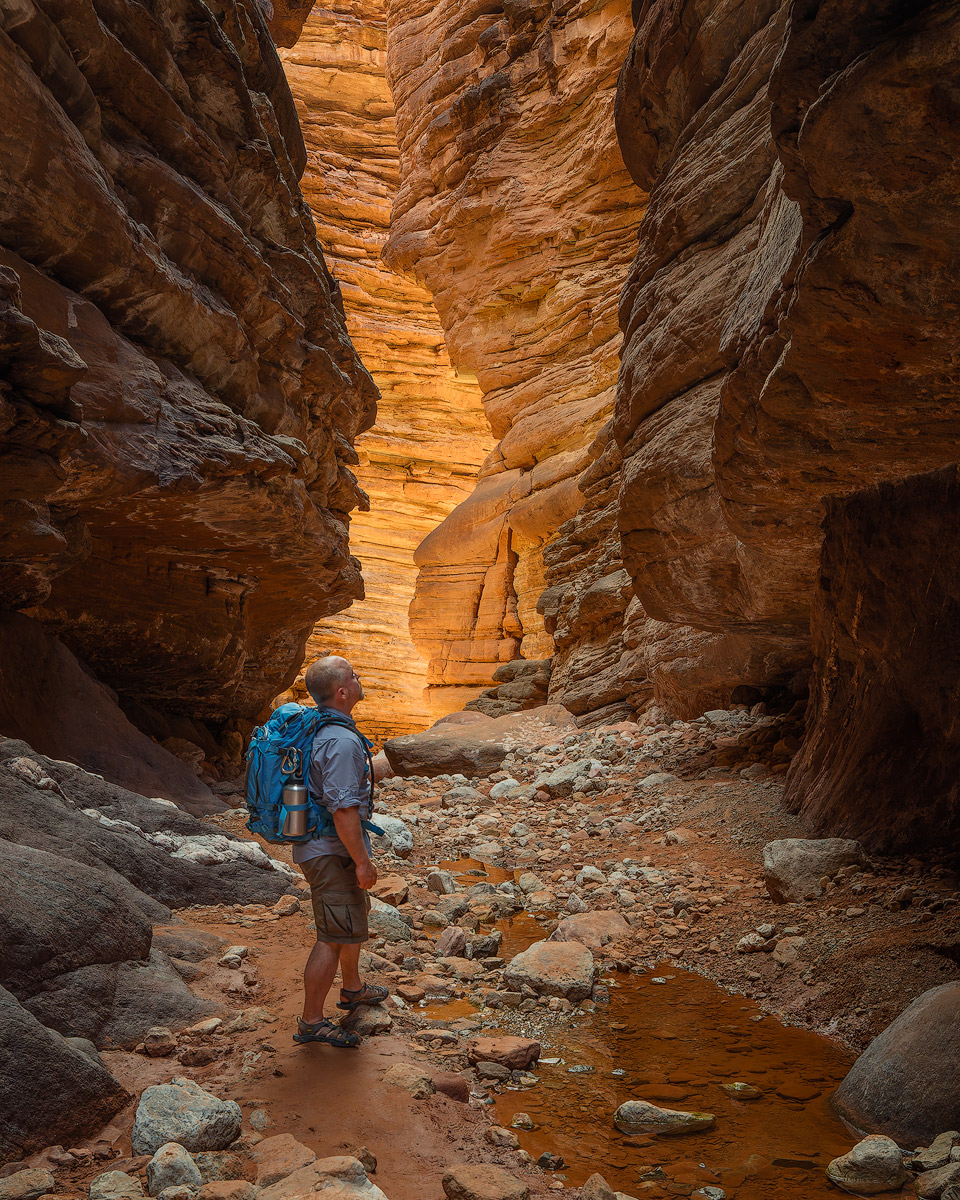
Hiking in Blacktail Canyon, a side canyon near mile 120 on the Colorado River.
In 2009, I was honored to be selected as an Artist-in-Residence at Grand Canyon National Park, an experience that profoundly deepened my relationship with the canyon. Living inside the park allowed me to move beyond the overlooks and into a rhythm shaped by sunrise, weather, and long days of exploration. Since that time, I’ve dedicated myself to photographing the canyon and the Colorado River as thoroughly and honestly as I can. On average, I spend roughly 80 days a year in the park—returning in every season, chasing light and storms, and waiting for those brief, ephemeral moments when the canyon shifts from something familiar into something entirely new.
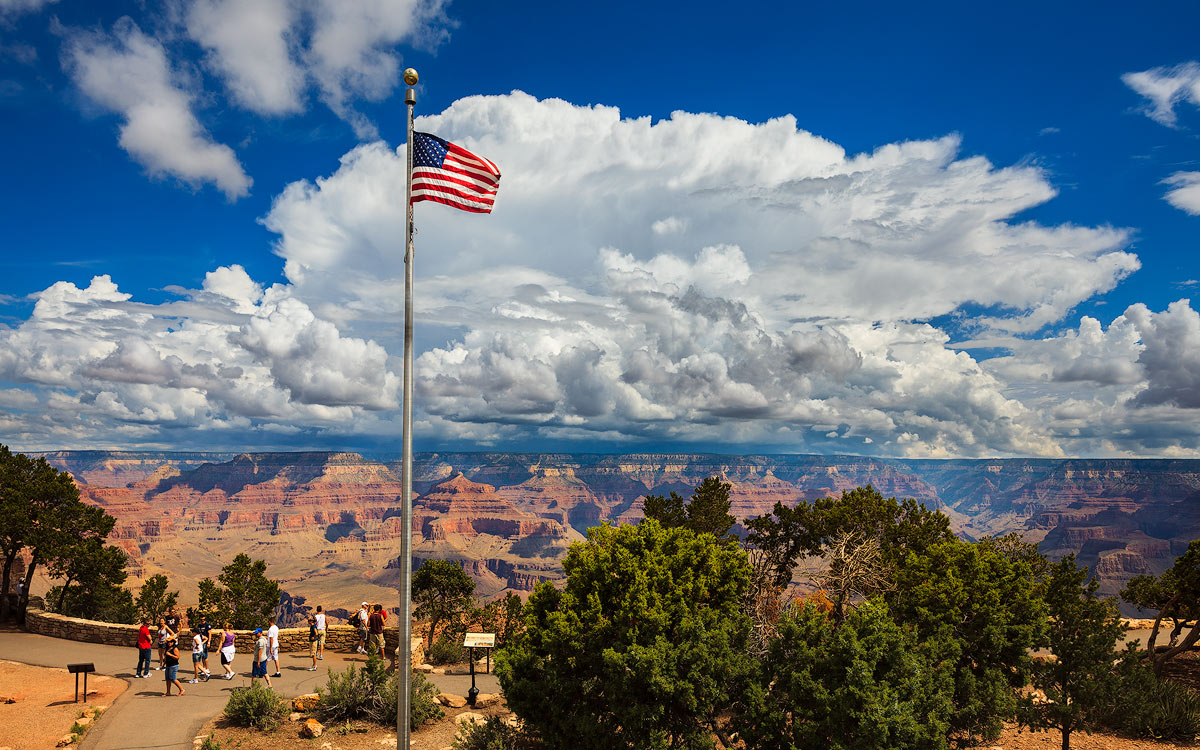
This is the view from the Verkamp's building, the home and studio for the Artist-in-Residence at Grand Canyon National Park.
My work has taken me below the rim and onto the river many times. Rafting the Colorado River through the canyon has given me an entirely different understanding of this landscape—one measured not in viewpoints, but in river miles, side canyons, and quiet moments far from the rim. From hidden waterfalls and slot canyons to rarely seen perspectives deep within the corridor, these journeys continue to shape both my photographs and my respect for the complexity of this place.

Sally and I in my raft after I rowed Lava Falls Rapid on the Colorado River in the Grand Canyon. Photo courtesy of Holly Dean.
Giving back has always been an important part of my work. When I was younger, I benefited from artists who volunteered their time to youth programs, offering creative opportunities that helped shape my path. In the spirit of paying that forward, I’ve dedicated many years to volunteering with youth programs—particularly those serving kids from underserved communities. Through photography, I hope to help young people connect with public lands and see them not just as scenery, but as places worth understanding, protecting, and caring for. If my work can inspire the next generation of artist-photographers to use their voices in the service of conservation, then I feel I’m doing something meaningful.
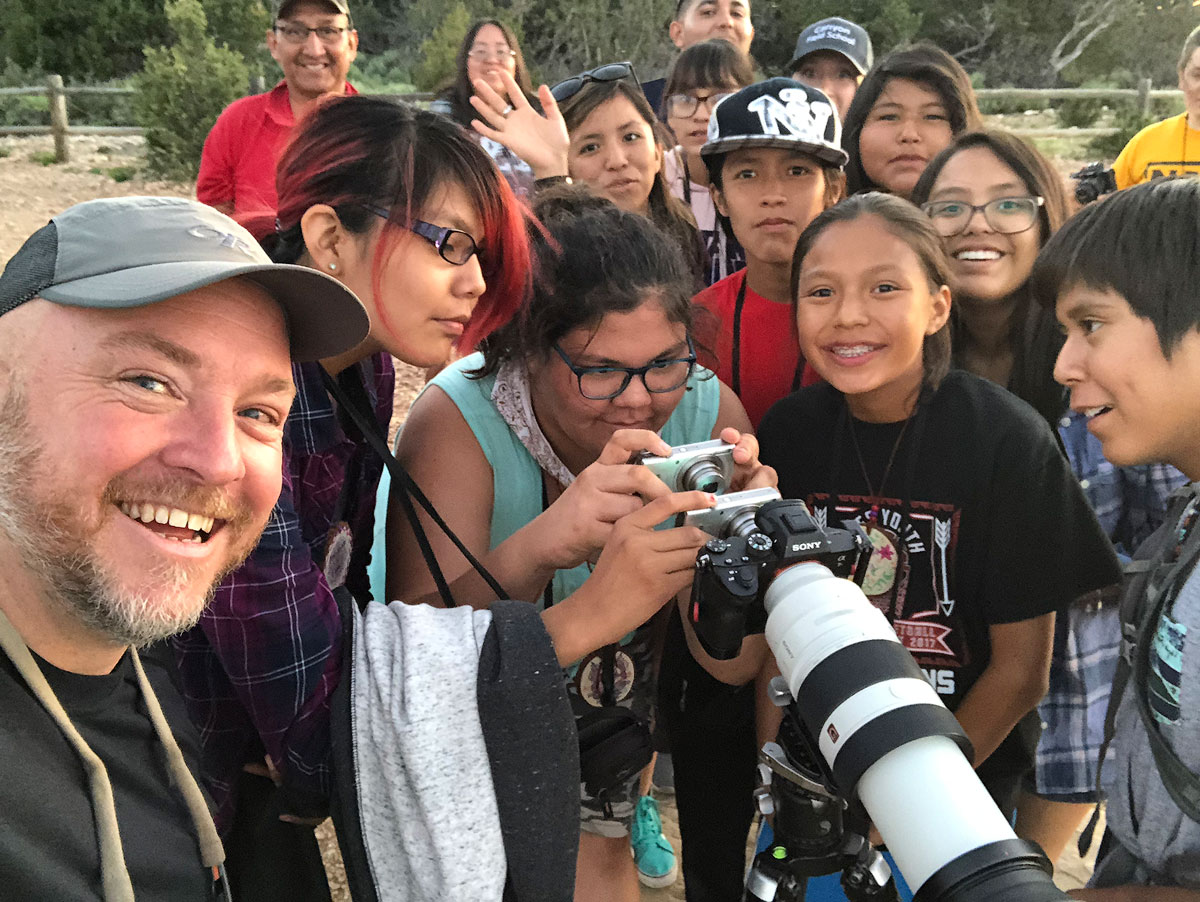
Working with kids from the Stewart L. Udall Parks in Focus program and the Grand Canyon Field School.
I also find tremendous joy in sharing these landscapes with others through photography tours, workshops, and expeditions. Working with photographers of all experience levels—watching them slow down, gain confidence, and begin to see more deeply—is one of the most rewarding aspects of my work. Teaching reinforces my own practice, reminding me that photography is not about mastering a place, but about building a relationship with it. Every trip becomes a shared experience of learning, discovery, and growth.
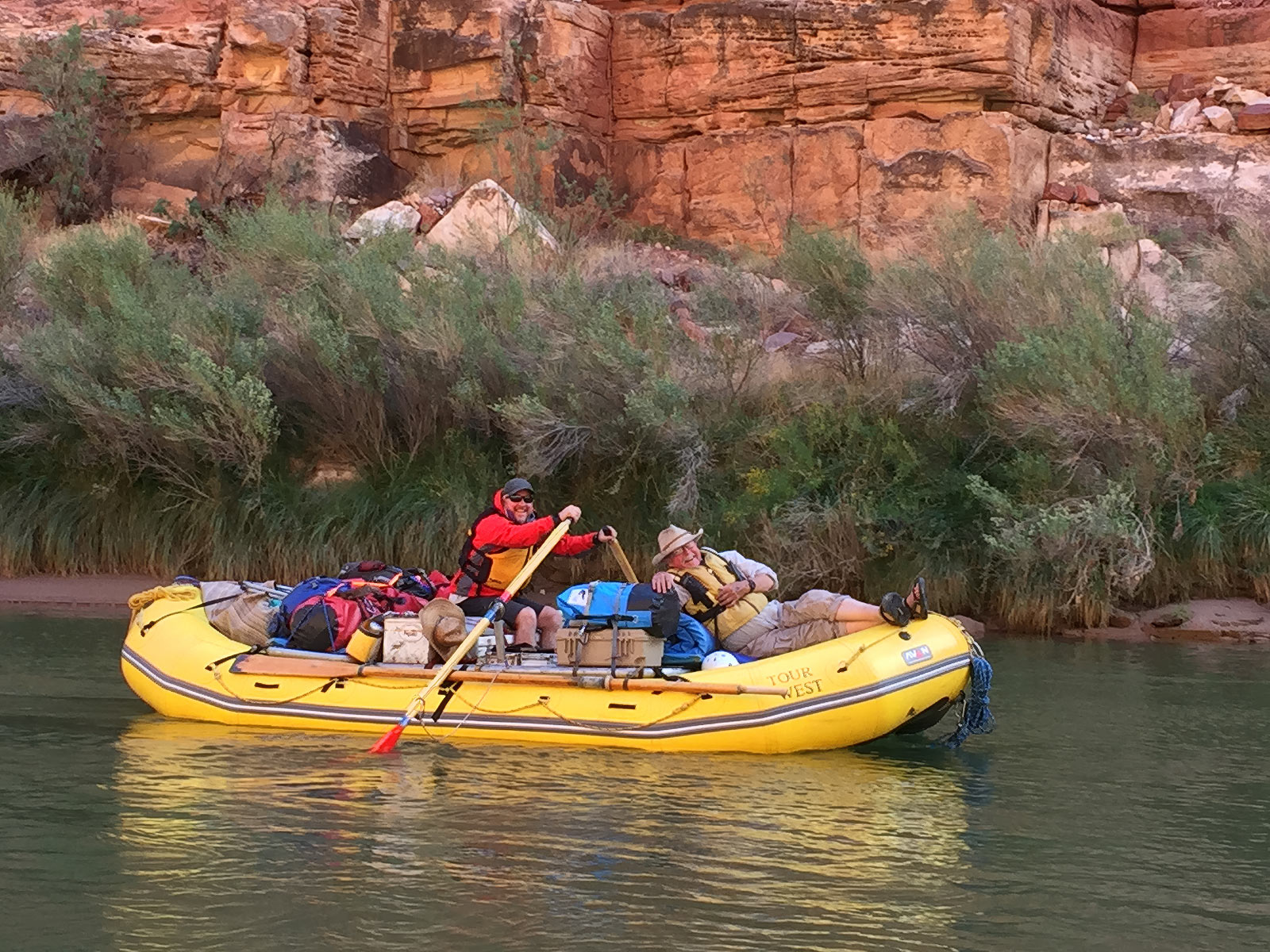
David Edwards and I share a moment of laughter while rowing the Colorado River in the Grand Canyon. David, known as "Boyo" to those who row the river, is a seasoned boatman and a former National Geographic photographer. I'm eternally grateful for the friendship and mentorship of Dave and others like him, who have been there to guide me on my journey.
At its core, my love for landscape photography extends all the way to the final print. I believe photographs have the power to transform spaces and influence how we feel within them. Creating fine art prints allows my work to live beyond the moment it was made—inviting others to pause, reflect, and perhaps find a sense of calm or connection in their own lives. If someone can stand in front of one of my prints and feel transported, grounded, or inspired to seek out their own relationship with the natural world, then the photograph has done its job.
I continue to explore, to return, and to learn—always guided by curiosity, respect for the land, and a deep appreciation for the places that have shaped my life.


More About Adam
Behind the Scenes • Giving Back • What's In My Camera Bag
Awards & Honors • Exhibits • Clients & Credits • Book & Magazine Covers